It’s been a busy week for angles: naming and measuring them. After this morning active maths lesson, drawing and estimating angles, all over the playground (click here for more), both maths classes set about using their literacy skills to explain to others how they can measure angles. The pupils worked in small groups to write a set of instructions about how to measure angles, reinforcing their learning from earlier in the week – measuring angles (click here for more on that). Before they got started, the classes recap the key language: vertex, baseline, protractor, estimate, obtuse, reflex, acute, reflex and much more.
As Phase 3 continued their learning all about angles, we went ACTIVE and took our learning outside. Pupils draw angles and draw around angles, estimating the size of them, based on their angle name knowledge, before that named and labelled them. It is amazing how many angles you can find, as you run around the playground: angles in buildings, in playground markings, or just around other objects.
We left the playground covered in angle names and measurements, for the rest of the school to learn from when they took their break – Did you spot any when you were in the playground?
Phase 3 really were great artists with their chalk in hand – Great job everyone!
Today in your mathematics lesson, you explored how we can measure angles – first, we reminded each other of the types of angles that we could be measuring: so we could estimate too.
If you don’t know how to measure angles, then have a a look at the video shown below. Then try it for yourself – just as the Phase 3 classes did today: you can see them in action, in the pictures above.
Today was our first music lesson! We had a visitor come in and will be teaching us how to play the violin, we learnt about the four strings, how to hold the violin and we even plucked the strings and played a tune. We are looking forward to gaining confidence and reading more music too. Miss Morrison was really impressed with our enthusiasm and we are really passionate about learning more. Have a look at our first attempt today, a really good start in our music careers!
Welcome back and we hope you have a lovely, restful break!
This week in Maths, Reception are going to be looking at halving and doubling of numbers. They will be practising the key vocabulary and talking in full sentences.
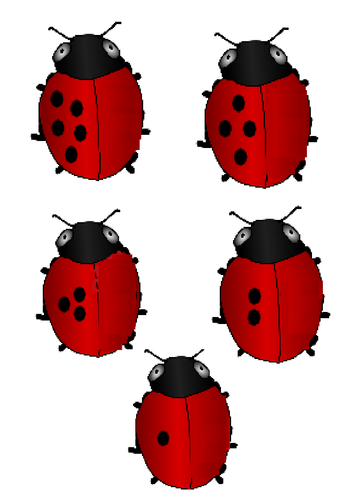
“Double two is four and half of four is two.” They will be using ladybirds to help them remember that doubling means the quantity is the same on both sides. Why not have a go at the game below to check out your doubling skills?
Year One pupils will be looking at coin and note denominations and understanding the value of money. Have a go at the game below to see if you recognise the coins – remember to click on the British Union Jack flag before you start!
Wow! What an amazing Maths Match: the biggest scores ever; a well fought battle between all teams and between the Phase 3 houses also.
Having found the eggs in the earlier playground egg hunt (click here to see more of that), the teams set about answering as many of the 16 questions as they could: being sure to explain their answer too. Here you can see the pupils in action and celebrating their victory.
Mr. Gill also joined us to be a match host – he was impressed by the level of knowledge and explanation that was given.
The results led us to discussing top scores and averages across the classes – more real maths! The top team score went to Water house, along with the top average pupil score (just), but the top average team score went to Earth house – so from that we can tell it was close. Great job everyone! We are looking forward to more reasoning and Maths Matches in the summer term.
What a fantastic way to stay fit and active: an egg hunt in the school playground.
The whole of Phase 3 took the opportunity to hunt for eggs (printed ones) to help them win the chance to answer questions in end-of-term Maths Match challenge: a challenge before the challenge. Earth and Water classes were split into Maths Match teams before entering the playground to find the hidden eggs – the more they found in the ten minutes, the more chance they had of winning back in the classroom. If they found an egg, they won the ‘right’ to try answering that question in the match. Fun was had by all, and many teams found all 16 numbered eggs. Well done everyone!




 maths@stpauls